SAFE Brain™ logoSafeBrain™

The SAFE Brain™ Framework: Now Accepting Clients

Read these two program welcomes. Notice what happens in your body.

SAFE Brain™ - imposter-aware learning design consulting

Version ASent to 400 students

“This program is rigorous. Many students underestimate the workload and do not finish. Review the requirements carefully before deciding whether you are ready.”

The first thing the learner is told is that people like them fail. The alarm rings before the work begins.

What did you feel? Tightness? A small “uh oh?” That's the alarm.

Version BSame program. Same rigor.

“Welcome. You were admitted because your record shows you can do this work. The program is demanding, and here is exactly how we will support you through it.”

Identical rigor. Identical workload. The brain is now free to use its full capacity.

Same standard. Same expectations. Very different brain.

A SAFE Brain™ is not a soft brain. It is a learning brain.

When a brain classifies the room as dangerous, memory goes offline, no matter how good the content is. SAFE Brain™ is a methodology for redesigning the language and structure of learning so capable people can reach the standard you already set.

That difference, between the alarm and the learning brain, is what we design for.

A facilitator leads educators in a collaborative review of learning materials
Design the room so every capable learner can stay in it.

The framework

The SAFE Brain™ Framework

Four design moves. Any context. Any level of education. Any industry. Grounded in what brain research actually shows about memory, threat response, and learning.

Read the full framework
S

Signal Belonging Before Evaluation

The first message learners receive must be: you belong here. That comes before any message about what they'll be evaluated on. A brain scanning for social danger cannot take in new information.

When learners feel they belong unconditionally, the threat alarm stays quiet and the learning system opens.

A

Affirm Prior Knowledge & Identity

Never design as if learners are blank slates. Explicitly name and honor what they already know. Asset-based framing activates curiosity and memory. Deficit framing activates the alarm.

When the brain retrieves existing knowledge, it creates pathways for new learning to attach to. Deficit framing blocks that retrieval.

F

Frame Challenge as Growth

The words you use to describe difficulty change what the brain does with it. 'This will challenge even strong students' triggers comparison. 'This rewards what you've already done' triggers engagement.

Language is a neurological event. The framing of challenge determines whether the brain moves toward it or away from it.

E

Embed Safety into Structure

Psychological safety isn't a mood you set in the first five minutes. It's an architectural decision built into assessment sequencing, pacing, feedback design, and cohort rituals. You can't wing it.

Safety built into structure reaches learners regardless of a facilitator's tone on any given day. It's the system, not the personality.

70%

of people experience imposter syndrome at some point in their career

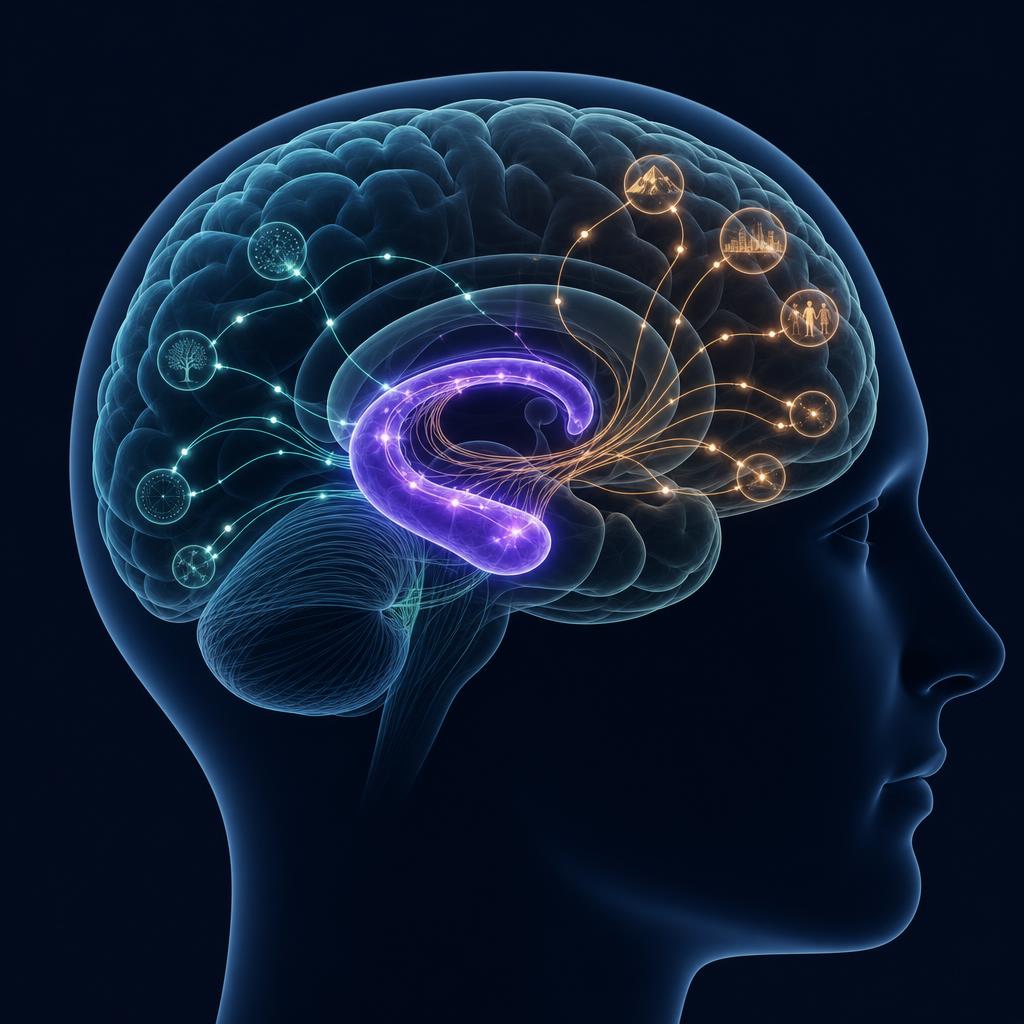
Brain scan illustration showing memory-forming regions

Research using brain scans shows that elevated stress is linked to significantly reduced activity in the memory-forming parts of the brain. This means the learner who studied for 20 hours can blank on the test - not because they didn't know it, but because their brain was in the wrong mode. Imposter-aware design interrupts that cycle.

The same research shows that when learners feel safe and recognized, the memory system re-engages. Psychological safety is not a feeling goal. It is a learning performance variable.

One framework. Three sectors. One alarm.

The SAFE Brain™ Framework was built to travel. Whether you're a dean, a director of learning, or a building principal, the design moves are the same - and so is the evidence behind them.

Three Sectors, one alarm

K-12

Classrooms & Districts

For schools where capable students go quiet, and the staff can feel it but can't name it.

  • SAFE Brain™ Classroom Audit
  • Faculty Language Workshop
  • Leadership Culture Sessions

Higher Education

Faculty & Programs

For programs that admit brilliant students and then lose them in the first eight weeks.

  • Syllabus & Assessment Redesign
  • Faculty Development
  • Graduate Program Onboarding Redesign

Corporate Learning

Teams & Leaders

For L&D teams whose onboarding completion looks fine and whose ramp time doesn't.

  • Onboarding Redesign
  • Manager Upskilling
  • LMS Audit & Redesign
See all services and pricing

The specimen library

Same standard. Two rooms.

Real materials from real programs, paired with the rewrite. The policy stays. The bar stays. What changes is the brain state the learner is in when they try to reach it. Download the specimen sets and checklists free.

Get the free specimens

Syllabus language

“Students are expected to come prepared. Unprepared students waste everyone’s time.”

Rewrite

“Preparation looks different for each of us. Here’s how to make the most of what we build together.”

Late work policy

“Late work is not accepted. Professionalism means meeting deadlines.”

Rewrite

“Deadlines exist to support your learning, not to punish your life. Reach out before a deadline, not after, and we’ll find a path forward.”

LMS dashboard

“Week 3 - You are BEHIND: 2 assignments overdue. Complete by Sunday or receive a 0.”

Rewrite

“Welcome back. Here’s where we left off and your next step. You’ve got this.”

How we work with you

Every engagement starts with listening.

We don't sell a package - we design an approach. These are the offerings we currently have available. Custom scoping is always welcome.

Free

30-Minute Discovery Call

Tell us where you are. We{'''}ll tell you if and how we can help.

Book a call

Entry Point

SAFE Brain™ Materials Audit

90-minute session reviewing your syllabus, assessment, or LMS.

Book an audit

Flagship

SAFE Brain™ Certified Workshop

A full-day or half-day workshop for faculty, instructional teams, or learning leaders. Participants leave with a completed SAFE Brain™ audit of their own materials and a commitment card with a specific, dateable implementation plan.

Inquire about this workshop

Consulting

SAFE Brain™ Audit

We review your syllabus, assessment design, LMS navigation, or onboarding program and deliver a written SAFE Brain™ report with specific rewrites and implementation priorities.

Request a proposal

Consulting

SAFE Brain™ for Leaders

A coaching and development engagement for managers, administrators, and executives who want to build imposter-aware cultures within their teams and organizations.

Talk to us

Speaking

Keynote & Conference Presentations

Available for conferences, symposia, and institutional events. Topics include the SAFE Brain™ Framework, neuroscience and learning design, and imposter-aware organizational culture.

Book a speaker

Coming Soon

SAFE Brain™ Self-Paced Audit Tool

A digital audit tool that walks educators and learning designers through the full SAFE Brain™ checklist with embedded examples and rewrite guidance. Join the waitlist.

Join the waitlist

Available for

  • Higher education faculty development days
  • Corporate L&D team offsites
  • K-12 professional development days
  • Conference pre-conference workshops

Why we built this

We built this framework because we've both been in rooms where we wondered if we were supposed to be there.

SAFE Brain™ is not a theory we arrived at through research alone. It's a framework we built from the inside out - from our own experience of imposter phenomenon in doctoral programs, leadership roles, and organizations that weren't designed with us in mind. The research confirmed what we already knew. The framework is how we're giving that knowledge somewhere to go.

Read our story

Find out where your materials fire the alarm.