SAFE Brain™ logoSafeBrain™

About

Rigorous, human, and credible.

We built this framework because we've both been in rooms where we wondered if we were supposed to be there.

SAFE Brain™ is not a theory we arrived at through research alone. It is a framework we built from the inside out - from our own experience of imposter phenomenon in doctoral programs, leadership roles, and organizations that weren't designed with us in mind. The research confirmed what we already knew. The framework is how we're giving that knowledge somewhere to go.

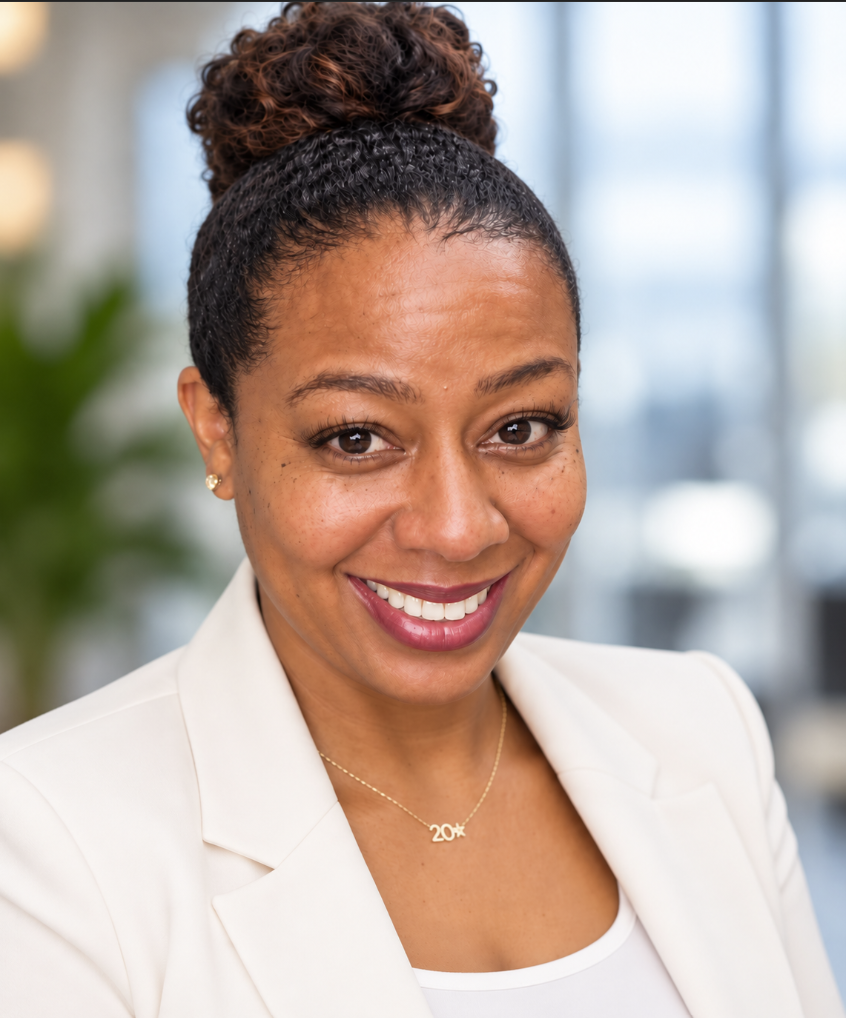
Ebony S. Lawrence

Ebony S. Lawrence

Co-Founder, SAFE Brain™ Framework

ebony@thesafebrain.live

The moment that shaped the work

Ebony has spent 20+ years designing learning experiences for organizations from healthcare education to global technology companies, and has spent much of that time in rooms where she was the only person who looked like her. That experience, combined with doctoral research in Applied Learning Sciences at the University of Miami, became the foundation of SAFE Brain™.

“I grew up in rooms where excellence was expected but belonging was not guaranteed. I learned to perform capability before I learned to name the fear underneath it. That fear, the imposter phenomenon, did not disappear when the credentials arrived. It changed shape. SAFE Brain™ began with the question I kept asking: what if the learning environment itself had been designed to quiet the alarm instead of amplify it?”

Credentials

  • B.S. (Bachelor of Science), Health Education/Community Wellness
  • MHA, Master of Science in Health Administration
  • DrPH, Doctor of Public Health in Epidemiology (ABD)
  • Ed.D. (Doctor of Education) Candidate, Applied Learning Sciences, University of Miami
  • CPTD, Certified Professional in Talent Development (Association for Talent Development), since 2020
  • Learning Experience Design Leader at AWS/Amazon scale
  • President, ATD (Association for Talent Development) Central Florida Chapter (2026)
  • Higher Education Commissioner, DEAC (Distance Education Accreditation Commission)
Tameka Lockhart-Spann

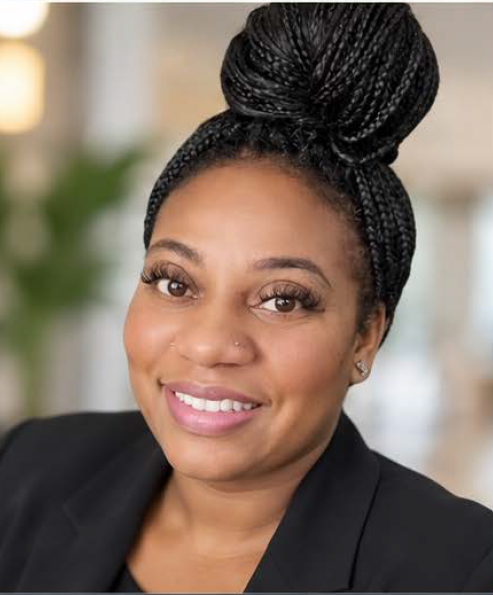
Tameka Lockhart-Spann

Co-Founder, SAFE Brain™ Framework

tameka@thesafebrain.live

The moment that shaped the work

Tameka brings a rare combination of learning leadership, legal knowledge, and organizational culture expertise to the SAFE Brain™ Framework. Her background in labor and employment law adds a dimension to imposter-aware design that most frameworks miss: the structural and institutional forces that make the alarm fire in the first place.

“I have been the capable person who went quiet, in classrooms, in boardrooms, in programs I had every right to occupy. I also became the leader responsible for rooms full of people carrying the same silence. The turning point was realizing that psychological safety is not a feel-good extra; it is an instructional design variable. If we can design for attention and memory, we can design for the brain state that makes both possible.”

Credentials

  • BA (Bachelor of Arts), Human Resources
  • MBA, Master of Business Administration
  • MJ-LEL, Master of Jurisprudence in Labor & Employment Law
  • Ed.D. (Doctor of Education) Candidate, Applied Learning Sciences, University of Miami
  • PHR, Professional in Human Resources (HR Certification Institute)
  • SHRM-CP, SHRM Certified Professional (Society for Human Resource Management)
  • LSSBB, Lean Six Sigma Black Belt
  • Learning & Leadership Professional

Why we built this

A framework, not a feeling.

We built SAFE Brain™ because we were tired of watching capable people leave rooms, physical and digital, before the work even began. We were also tired of frameworks that treated belonging as decoration rather than design.

The framework combines Ebony's research grounding in learning sciences and accreditation governance with Tameka's practice building real programs for real managers, faculty, and learners. It is personal because it started with our own stories. It is credible because it has been tested in classrooms, course shells, and corporate onboarding tracks.

Read the framework

Work with the people who built the method.