SAFE Brain™ logoSafeBrain™

The methodology

Four moves. One repeatable method.

SAFE Brain™ is not a keynote topic or a culture slogan. It is a design language for the moments when a learner decides whether the room is dangerous and whether they can still reach the standard you set.

A connected system

Each move prepares the brain for the next.

Belonging lowers the alarm. Identity activates prior knowledge. Growth framing keeps challenge productive. Structure makes safety repeatable.

  1. SSignal Belonging Before EvaluationMove 1
  2. AAffirm Prior Knowledge & IdentityMove 2
  3. FFrame Challenge as GrowthMove 3
  4. EEmbed Safety into StructureMove 4
SMove 1

Signal Belonging Before Evaluation

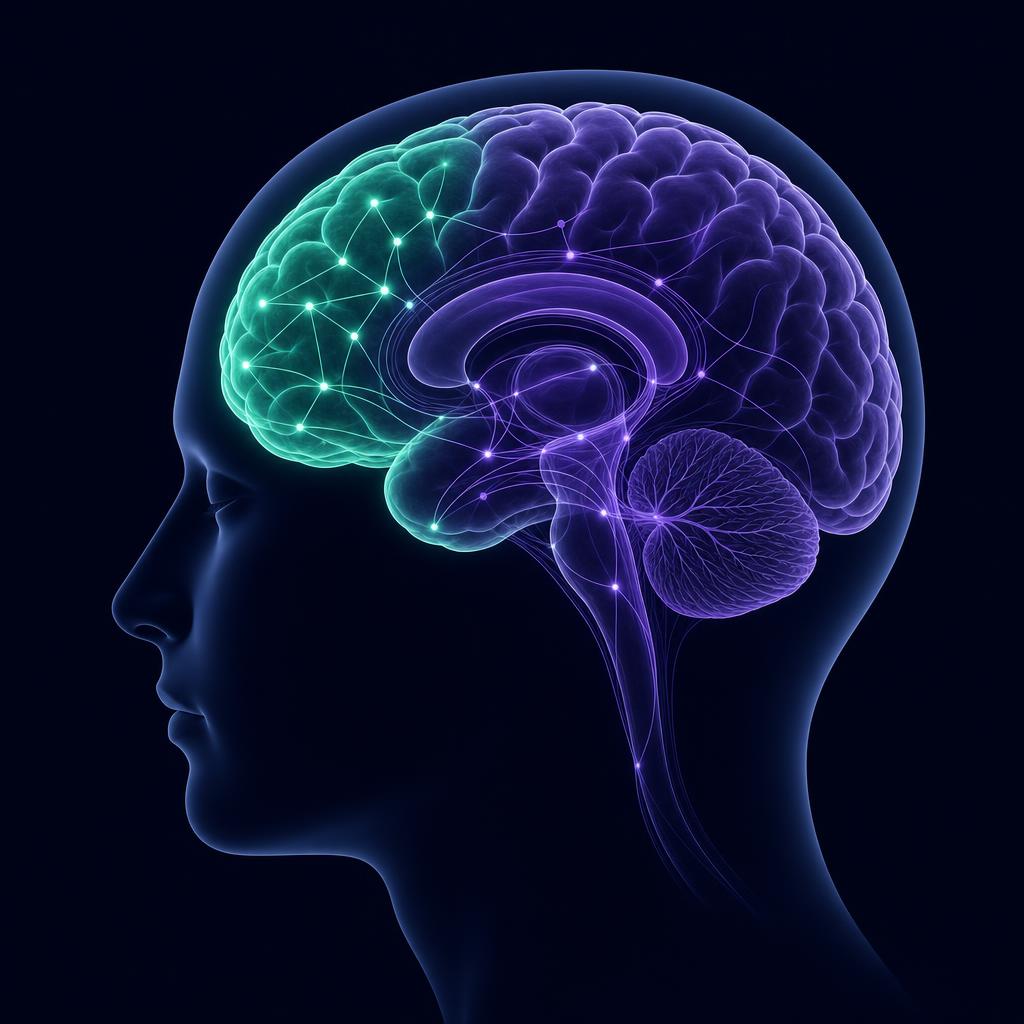
The first message learners receive must be: you belong here. That comes before any message about what they'll be evaluated on. A brain scanning for social danger cannot take in new information.

When learners feel they belong unconditionally, the threat alarm stays quiet and the learning system opens.
Brain illustration for Signal Belonging Before Evaluation

The science

Social belonging cues quiet the amygdala's threat appraisal, freeing prefrontal resources for working memory and reasoning.
AMove 2

Affirm Prior Knowledge & Identity

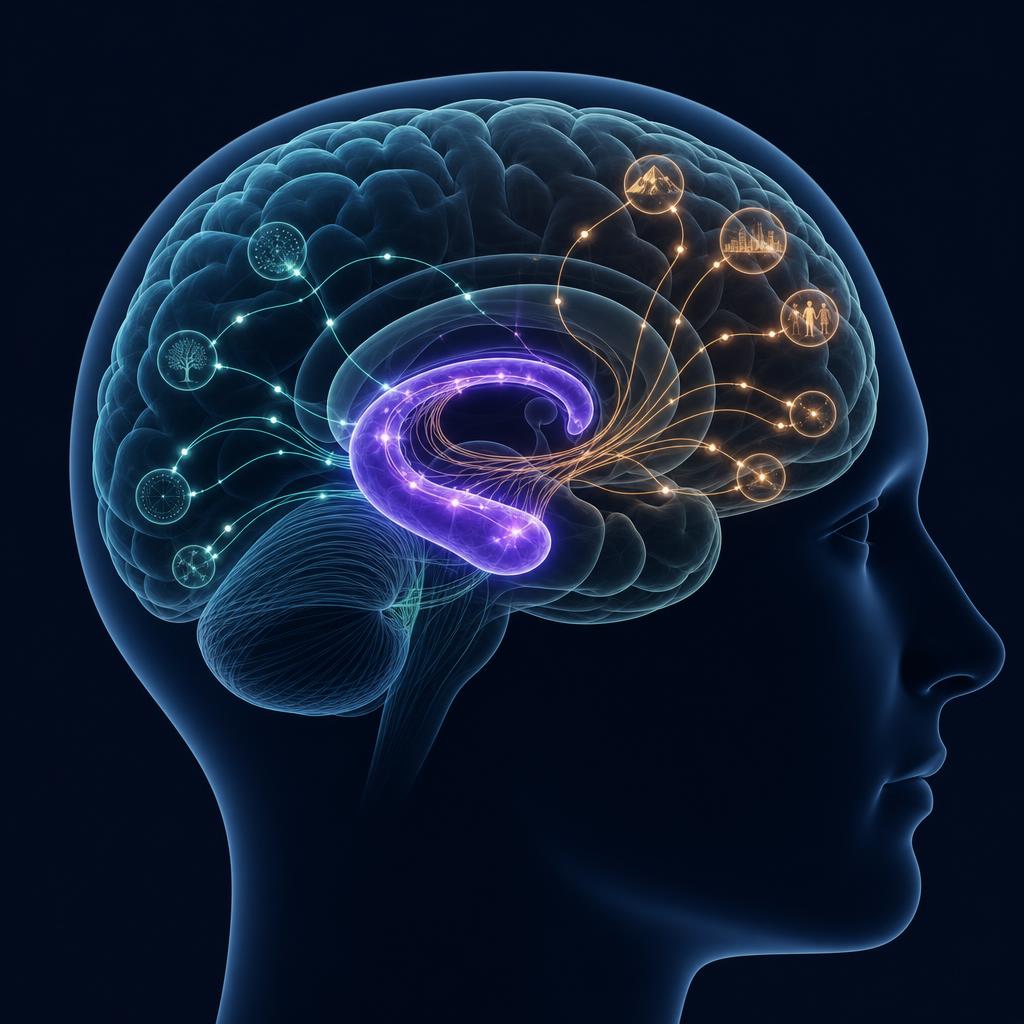
Never design as if learners are blank slates. Explicitly name and honor what they already know. Asset-based framing activates curiosity and memory. Deficit framing activates the alarm.

When the brain retrieves existing knowledge, it creates pathways for new learning to attach to. Deficit framing blocks that retrieval.

Brain illustration for Affirm Prior Knowledge & Identity

The science

New information binds to existing schema. Activating prior knowledge is both an identity move and a memory-encoding move.

FMove 3

Frame Challenge as Growth

The words you use to describe difficulty change what the brain does with it. 'This will challenge even strong students' triggers comparison. 'This rewards what you've already done' triggers engagement.

Language is a neurological event. The framing of challenge determines whether the brain moves toward it or away from it.

Brain illustration for Frame Challenge as Growth

The science

Threat appraisal versus challenge appraisal produce different neuroendocrine profiles - and measurably different performance under the same task load.

EMove 4

Embed Safety into Structure

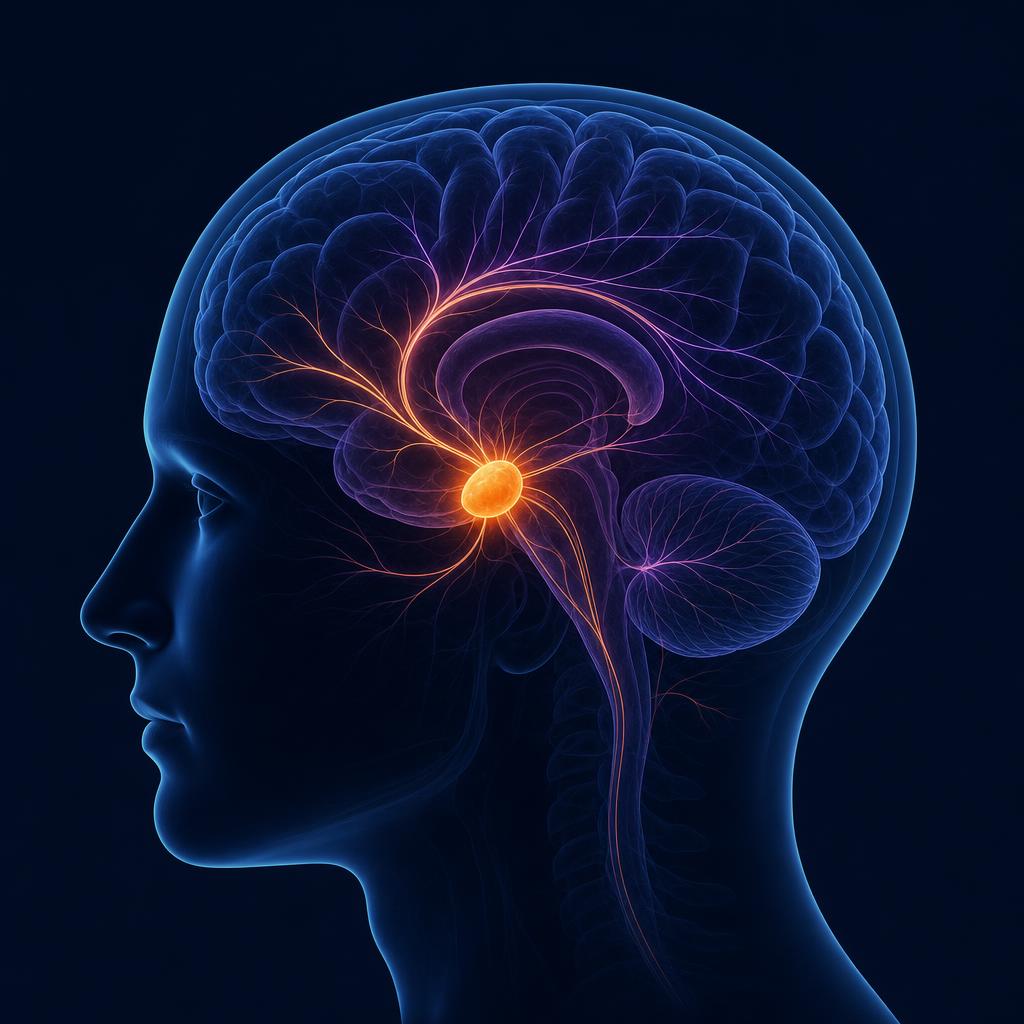
Psychological safety isn't a mood you set in the first five minutes. It's an architectural decision built into assessment sequencing, pacing, feedback design, and cohort rituals. You can't wing it.

Safety built into structure reaches learners regardless of a facilitator's tone on any given day. It's the system, not the personality.

Brain illustration for Embed Safety into Structure

The science

Retrieval practice under low stakes builds durable memory; the same retrieval under high stakes narrows attention and degrades recall.

Cross-sector

The same alarm. Different rooms.

The SAFE moves were built across K-12 classrooms, university programs, and corporate L&D teams. The contexts change; the neurobiology does not. A doctoral student reading a syllabus, a new hire opening an LMS dashboard, and a ninth grader receiving feedback are all asking the same unconscious question: am I safe here?

The framework gives teams a shared vocabulary and an instrument to audit the answer. That is what makes it intellectual property, not a mood, not a metaphor, but a measurable design method.

See how we deploy the framework

Put the framework to work on your materials.